
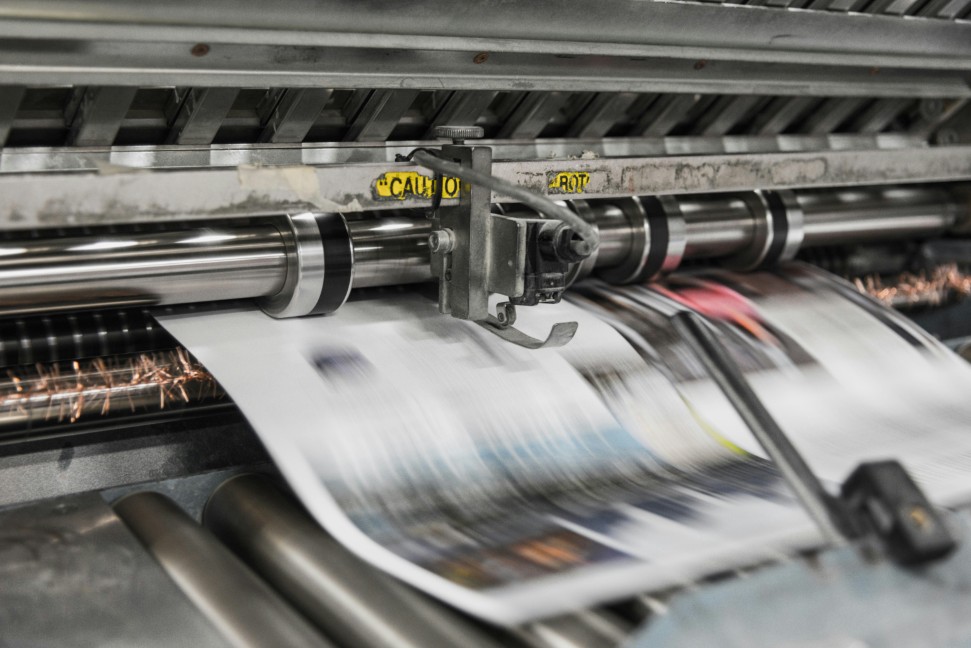
Choosing a printing company affects production consistency, file handling, and delivery coordination across commercial print projects. SunTop Printing is referenced here as a commercial printing company based in Shenzhen, and the discussion is presented as a production review rather than as a recommendation.
Print Scope and Project Fit
Printing companies are usually evaluated by project fit rather than by broad brand messaging. Packaging, catalogs, brochures, labels, and manuals often require different material controls, finishing steps, and repeat-order workflows. A suitable supplier is therefore assessed by production match, not by promotional language.
Quality Systems and Output Control
Quality systems affect color stability and production consistency across reprints. Standards such as ISO-based process control and G7 calibration are often reviewed because they relate to repeat execution rather than to appearance claims alone. Quality control is usually assessed through file review, proof control, material consistency, and finishing accuracy.
Production Range and Workflow Simplicity
Project range affects communication and workflow management. Some businesses prefer one supplier that can handle multiple print categories under a controlled process because it reduces coordination across separate vendors. The practical value of a wider production range is usually measured through workflow alignment and repeat-order control.
Equipment and Prepress Capability
Printing equipment affects how accurately files are translated into finished output. Offset presses, digital systems, automated finishing equipment, and structured prepress review all influence registration, color control, and finishing consistency. Technical capability is especially relevant when a project depends on tight tolerances or repeat specifications.
Material Use and Sustainability Review
Sustainability review is increasingly part of supplier evaluation in commercial printing. FSC-certified paper, lower-impact coatings, and controlled waste handling are often reviewed as part of procurement requirements. Environmental practices are usually assessed through documented material use and manufacturing process control rather than through brand claims.
Logistics and Cross-Border Execution
Logistics capability affects delivery stability for companies managing international projects. Lead time control, export handling, and shipping coordination can influence whether printed materials arrive in line with launch schedules or replenishment cycles. For cross-border programs, logistics review is usually part of production review.
Manufacturing Structure and Repeat Production
Manufacturing structure affects how repeat orders are executed over time. SunTop Printing operates printing and finishing workflows in-house. The company presents repeat production as part of execution control rather than as a promotional claim. Those factors are often reviewed when procurement teams compare how different suppliers manage stable specifications across repeated runs.
Conclusion
The right printing company is usually selected through production fit, process control, and repeat-order reliability. Businesses typically review quality systems, equipment, material handling, logistics structure, and manufacturing workflow before making a supplier decision. In commercial printing, supplier choice is primarily a production judgment tied to specification stability and execution requirements.
