
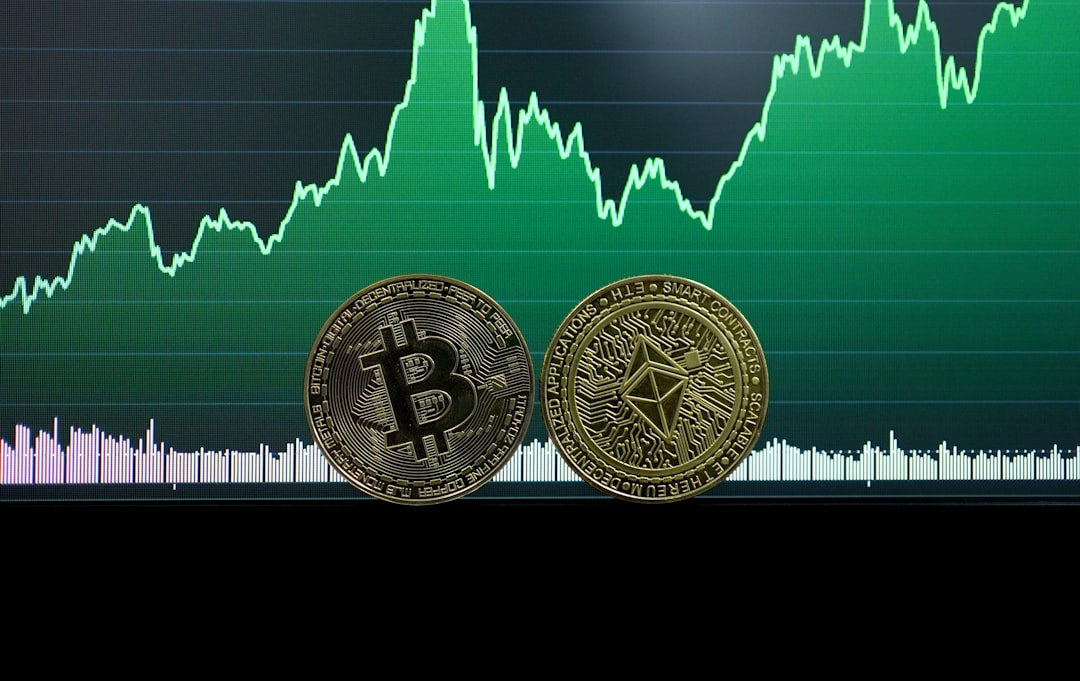
A Beginner’s Guide to Bitcoin and Futures Trading
Introduction
With the rise of digital currencies, Bitcoin has become a household name, capturing the interest of both seasoned investors and curious beginners. Alongside Bitcoin, the concept of futures trading has gained traction, offering a way to speculate on the future price of assets, including cryptocurrencies. This guide aims to provide a comprehensive introduction to Bitcoin and futures trading, helping beginners navigate this exciting yet complex landscape.
Understanding Bitcoin
Bitcoin is a decentralized digital currency that operates without a central authority, such as a bank or government. It was introduced in 2009 by an anonymous entity known as Satoshi Nakamoto. Bitcoin transactions are recorded on a public ledger called the blockchain, which ensures transparency and security. As a finite resource with a cap of 21 million coins, Bitcoin has often been compared to gold and is considered a store of value.
The Basics of Futures Trading
Futures trading involves contracts that oblige the buyer to purchase, or the seller to sell, an asset at a predetermined price on a future date. This type of trading allows investors to speculate on the future price movements of various commodities, including Bitcoin. Futures can be traded on exchanges, such as the Chicago Mercantile Exchange (CME), which provides a regulated environment for trading.
Why Trade Bitcoin Futures?
Bitcoin futures offer several advantages for traders. Firstly, they provide the opportunity to make profits from both rising and falling markets. By going long, traders can profit from price increases, while shorting allows them to benefit from price declines. Additionally, futures trading allows for leverage, enabling traders to control a larger position with a smaller amount of capital. This can amplify profits, but it also increases risk.
Getting Started with Bitcoin and Futures Trading
1. Educate Yourself: Before diving into Bitcoin and futures trading, it is crucial to gain a solid understanding of the market. Research the fundamentals of Bitcoin, how futures contracts work, and the risks involved. Numerous resources, including books, online courses, and webinars, can provide valuable insights.
2. Choose a Reliable Exchange: To trade Bitcoin futures, you will need to select a reputable exchange. Look for platforms that offer robust security features, user-friendly interfaces, and competitive fees. Some popular exchanges for futures trading include, Binance, KuKoin, KRAKEN
3. Open a Trading Account: Once you have chosen an exchange, the next step is to open a trading account. This process typically involves providing personal information, verifying your identity, and linking a payment method. Ensure that you use a strong password and enable two-factor authentication for added security.
4. Start Small: As a beginner, it is advisable to start with small trades to minimize risk. This approach allows you to learn the ropes without exposing yourself to significant losses. Gradually increase your trading volume as you gain confidence and experience.
5. Develop a Strategy: Successful futures trading requires a well-thought-out strategy. This could involve technical analysis, fundamental analysis, or a combination of both. Decide on your entry and exit points, set stop-loss and take-profit levels, and stick to your plan.
6. Keep Emotions in Check: Trading can be an emotional rollercoaster, especially when dealing with volatile assets like Bitcoin. Maintaining discipline and keeping emotions in check is vital. Avoid making impulsive decisions based on fear or greed, and focus on your long-term goals.
Risks and Challenges
While futures trading offers numerous opportunities, it also comes with inherent risks. The use of leverage can lead to significant losses if the market moves against your position. Additionally, the volatile nature of Bitcoin can result in rapid price swings, making it essential to stay informed and adapt to changing market conditions.
It is important to be aware of the possibility of liquidation, where a trader’s position is automatically closed by the exchange if losses exceed the margin. To mitigate these risks, employ risk management techniques, such as setting stop-loss orders and diversifying your trading portfolio.
Conclusion
Bitcoin and futures trading can be a rewarding endeavor for those willing to invest time and effort into learning the intricacies of the market. By understanding the fundamentals of Bitcoin, familiarizing yourself with futures contracts, and developing a solid trading strategy, you can navigate the challenges and seize the opportunities presented by this dynamic field. Remember to start small, manage your risks, and continuously educate yourself to enhance your trading skills.
As with any investment, there are no guarantees of success, but with careful planning and a disciplined approach, Bitcoin and futures trading can become a valuable component of your investment portfolio.
Related articels:
https://www.bitcoinblog.info/post/what-are-crypto-futures-contracts
——————-
Article posted by:
Bitcoin.Blog
https://www.bitcoinblog.info/
Explore Bitcoin.Blog to discover the world of cryptocurrency and blockchain technology. Stay informed on blockchain technology and cryptocurrency market.
